Innovative
nano-antibodies
for medical diagnostics.

Newsletter

(French version)

Welcome to the NVDIAG LabCom Newsletter and the launch of our monthly Interview Series! This series highlights the key voices across our ecosystem—researchers, clinical partners, industry experts, and rising talents—who are driving innovation in liquid biopsies and hemato-oncology. We open this inaugural issue with Pr. Françoise Dignat-George (Director of C2VN and Advisory Board member), who shares her insights on public-private synergies and the clinical promise of our technology.

About

The LabCom

NVDIAG—short for Nano-antibody generation using extracellular Vesicles for DIAgnostic purposes—is a collaborative laboratory (LabCom) formed through a bilateral partnership between the Laboratoire d’Ingénierie des Systèmes Macromoléculaires (LISM) and BioCytex, both located in Marseille. NVDIAG plays a leading role in advancing innovation in hemato-oncology, focusing on the development of camelid monoclonal antibodies (nano-antibodies) that serve a variety of tests and companion diagnostics solutions. This work received support from the french government under the France 2030 investment plan, as part of the Initiative d’Excellence d’Aix-Marseille Université – AMIDEX.

Technology

Extracellular vesicles specialised in the generation and delivery of nano-antibodies to improve diagnostic tests

NVDIAG generates nano-antibodies (nAbs) based on a technology that expresses membrane proteins (MPs) in their native conformation on the surface of extracellular vesicles. This disruptive approach reveals original epitopes not present on the soluble extracellular domains of MPs offering the potential to develop innovative nAbs against a wide range of targets, including those that are notoriously difficult to reach. Because they are non-competitive with therapeutic antibodies, NVDIAG provides academic and private project leaders with nAbs that could be used as companion diagnostics to monitor treatment, particularly in cancer immunotherapy.

Check our recent posters
Targets

Breaking new ground in hemato-oncological diagnostics

Hemato-oncologic diseases refer to cancers affecting the blood, bone marrow, and lymphatic system. These include leukemia, lymphoma, and myeloma, among others, and often involve abnormal growth of blood cells or lymphatic tissue. These diseases can disrupt the body’s ability to produce healthy blood cells and affect the immune system. Early detection are crucial for improving patient outcomes in these complex conditions.

By combining the expertise of an academic research laboratory and a biotechnology company, LabCom NVIDAG aims to provide new companion diagnostics solutions for better disease management. Companion diagnostics are specialised medical tests developed to determine a patient’s likelihood of benefiting from a particular drug or treatment. These tests help to personalise therapy by identifying biomarkers or genetic markers that guide targeted treatments, improving efficacy and minimising side effects.

Addressing strategic targets with a new generation of nano-antibodies

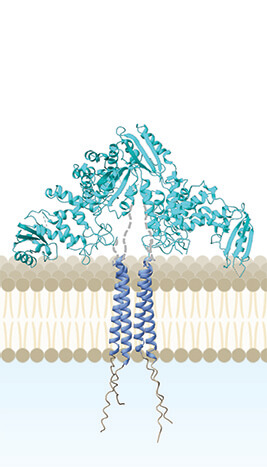
CD38

Multiple Myeloma (MM)

Nano-antibodies that do not compete with Daratumumab and Isatuximab to create quantitative companion diagnostic tests based on Flow Cytometry and ELISA for treatment monitoring.
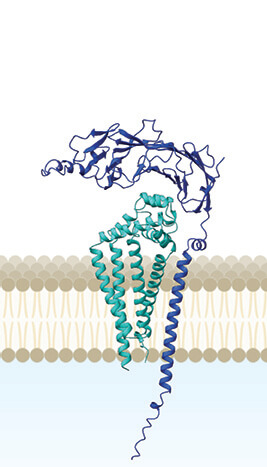
CD19

Acute Lymphoblastic Leukaemias (ALL)

Nano-antibodies that do not compete with existing antibodies to develop companion diagnostic tests for treatment monitoring.
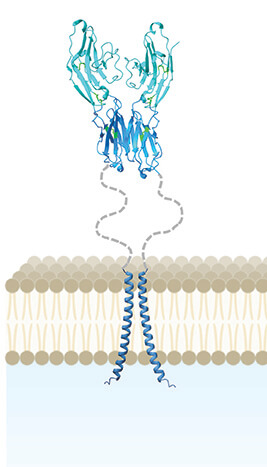
CD33

Acute Myeloid Leukaemia (AML)

Innovative approaches for developing pharmacodynamic assays in clinical studies with anti-CD33 therapeutic antibodies.
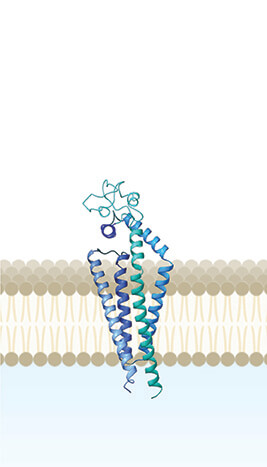
CD63

Measuring platelet activation

An anti-CD63 nano-antibody in the next generation of kits to measure platelet activation via CD63 expression.
CD42a/CD42b

Bernard-Soulier syndrome

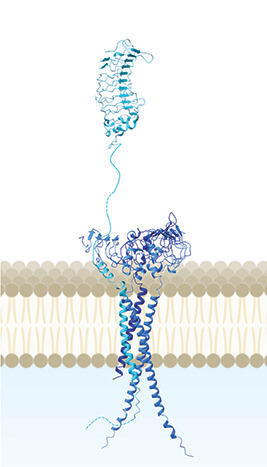
Nano-antibodies directed against GPIb/GpIX in a diagnostic kit enable differential diagnosis of patients with Bernard-Soulier syndrome.

We’d love to hear from you!

Our team is committed to providing solutions tailored to your needs. Feel free to contact us to discuss how we can support you.